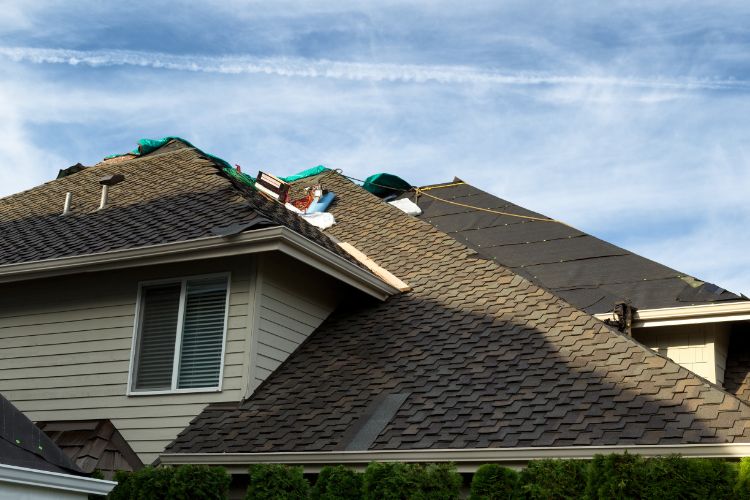

Your roof is one of the most essential parts of your home. It protects you and your family from the elements, such as rain, snow, wind, and sun. It also contributes to your home’s appearance, comfort, and value. However, your roof is exposed to wear and tear, damage, and deterioration. That’s why you must take good care of your roof and replace it when necessary.
But what is a roof replacement, and how do you know if you need one? In this blog post, we will answer this question and more. By the end of this blog post, you can make informed and confident decisions about your roof replacement project.
Understanding Roof Replacement
A roof replacement is a significant home improvement project that involves removing the old roofing materials and installing new ones. A roof replacement may be necessary for various reasons, such as:
- Age: Your roof may be too old to function correctly and may have reached the end of its lifespan. A roof’s average lifespan depends on the material type but ranges from 15 to 30 years.
- Damage: Your roof may be damaged by various factors, such as weather, pests, or accidents. Damage can affect your roof’s appearance, performance, and safety and may cause leaks, mold, rot, or structural issues.
- Leaks: Your roof may leak water, which can cause damage to your ceiling, walls, insulation, or belongings. Leaks can also lead to mold growth, posing health risks to you and your family.
Preparing for a Roof Replacement
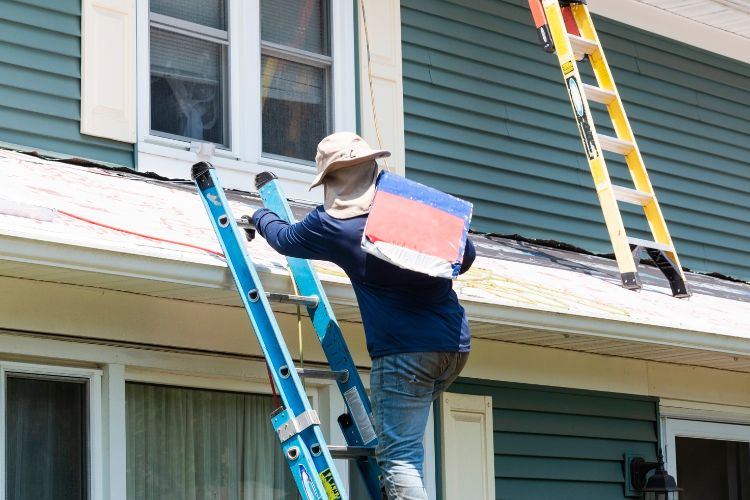
Before starting your roof replacement project, you must prepare for it properly. You need to hire a professional roofer, get an initial inspection and assessment, and budget and estimate the costs.
Hiring a Professional Roofer
A roof replacement is not a DIY project, requiring specialized skills, tools, and equipment. You need to hire a professional roofer to provide the best service based on your needs and preferences.
Pro Tip:
Check the roofer’s credentials, reputation, experience, warranty, and insurance and compare quotes and reviews. You must also communicate clearly and effectively with the roofer and establish a project contract and timeline.
Initial Inspection and Assessment
Before you decide on the type and design of your new roof, you need to get an initial review and evaluation of your existing roof.
Check your roof’s condition, age, and damage and identify any issues or problems affecting the replacement. You also need to check your roof’s structure, ventilation, insulation, and drainage and see if they need to be repaired or replaced.
Budgeting and Estimating Costs
A roof replacement can be costly, depending on the type, size, and design of your new roof and the condition and location of your existing roof. You must set and stick to your project’s realistic and reasonable budget.
Get an accurate and transparent estimate of the costs, including the materials, labor, permits, disposal, and contingency fees. You must also look for ways to save money, such as discounts, deals, or financing options.
The Roof Replacement Process
You can start the process once you have prepared for your roof replacement project. The process involves several steps, such as:
- Removal of old roofing materials
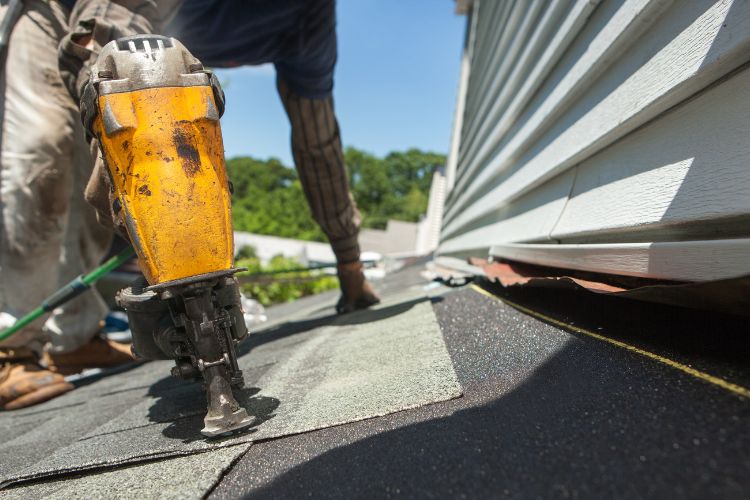
The first step is removing old roofing materials, such as shingles, metal, tiles, or other materials. This step may take several hours or days, depending on the size and complexity of your roof.
- Repairing underlying structure
The second step is to repair the underlying system of your roof, such as the rafters, beams, or decking. This is necessary if your roof has structural problems, such as damage, rot, or sagging.
- Installation of new materials
The third step is to install the latest materials, such as shingles, metal, tiles, or other materials. This may take several hours or days, depending on the type and design of your new roof. You must also ensure the latest materials are installed correctly, aligned, sealed, and fastened.
- Quality checks and final touches
The last step is to check the quality and performance of your new roof and make any adjustments or corrections if needed. You must also add final touches, such as flashing, vents, gutters, or accessories, to enhance your roof’s appearance, functionality, and durability.
Choosing the Right Materials
Choosing the suitable materials is one of the most critical decisions for your roof replacement project. The materials you choose can affect your new roof’s cost, durability, appearance, performance, environment, and energy efficiency.
Some of the factors that you need to consider when choosing the suitable materials are:
- Pros and cons of various roofing materials: Each has pros and cons, depending on the cost, durability, appearance, and performance. You need to weigh each material’s pros and cons and see which suits your needs and preferences best.
- Factors influencing material choice: Apart from the pros and cons of each material, you also need to consider other factors that may affect your material choice, such as:
- Climate: You need to choose a material that can withstand the weather conditions in your area, such as rain, snow, wind, or sun. You also need to select a material that can adapt to the temperature changes in your area, such as hot, cold, or humid.
- Budget: You need to choose a material that fits your budget and provides the best value for your money. You also need to consider each material’s initial and ongoing costs, such as the installation, maintenance, and repair costs.
- Aesthetics: You must choose a material that matches your style and taste and can complement your home’s architecture and design. You must also consider each material’s color, shape, and pattern and see how they look on your roof.