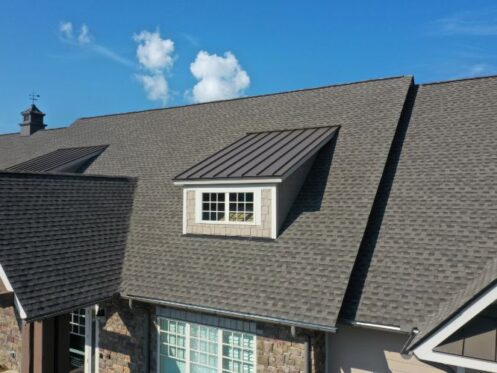
Your roof is one of the most essential parts of your home. It protects you and your family from the elements, enhances curb appeal, and adds value to your property. But how long does a roof last? And how can you prolong its lifespan?
The answer depends on several factors, such as the quality of the installation, the environmental conditions, the quality of the materials, and the roof color. In this blog post, we will explore the science of roof aging and how to understand the signs of wear and tear. We will also provide some practical tips for roof maintenance and repair.
Factors That Affect Roof Aging
Roof aging is a complex process that involves physical, chemical, and biological factors. Some of the main factors that affect how long a roof lasts are:
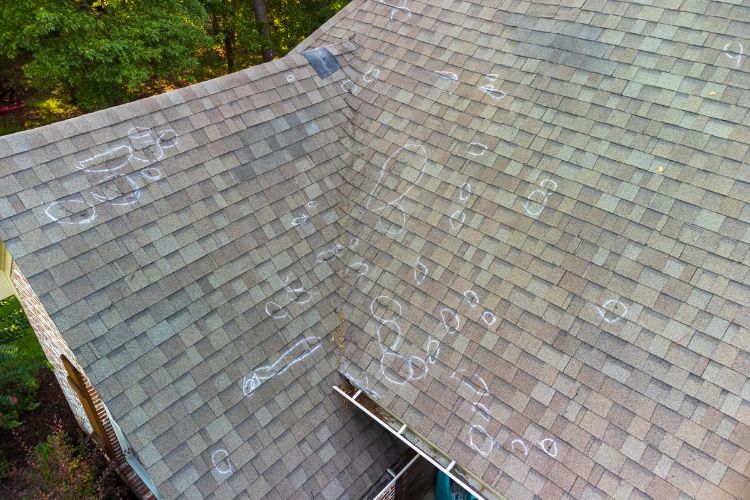
- The quality of the installation: A poorly installed roof can lead to premature failure and costly repairs. A professional roofer will ensure the roof is adequately flashed, vented, and sealed to prevent water damage, mold growth, and structural issues.
- The environmental conditions: The climate and weather conditions can significantly impact the roof’s performance and durability.Extreme temperatures, UV rays, wind, rain, snow, hail, and ice can cause the top to expand, contract, crack, fade, or corrode.
- The quality of the materials: Different roofing materials have different life spans and characteristics. For example, asphalt shingles can last 15 to 30 years, while metal roofs can last up to 50 or more. The quality of the materials also depends on the manufacturer’s warranty and guidelines.
- The roof color: The color of the roof can affect how much heat it absorbs or reflects. A darker roof can absorb more heat and cause the top to age faster, while a lighter roof can reflect more heat and keep the roof cooler.
Choosing the suitable roofing material and contractor for your specific location and climate is crucial for extending the life span of your roof. It would help if you also considered the aesthetic, functional, and economic aspects of your roofing choice.
Signs of an Aging Roof
An aging roof can threaten your home’s value, comfort, and safety. It can also lead to higher energy bills, lower indoor air quality, and increased health risks. That’s why it’s essential to inspect your roof regularly and to look for the following signs of an aging roof:
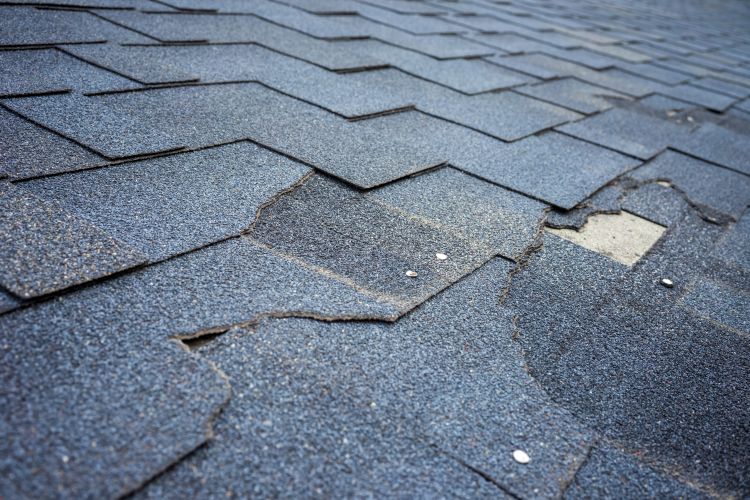
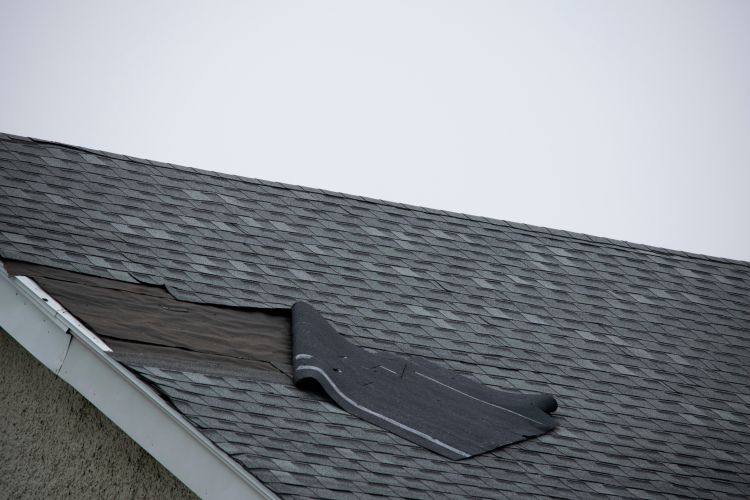
- Curled, blistered, or buckled shingles are signs of thermal stress, moisture damage, or poor ventilation. They can also indicate that the shingles are nearing the end of their life span and must be replaced.
- Missing shingles are signs of wind damage, animal activity, or poor installation. They can also expose the underlying roof deck to water damage and rot.
- Missing granules: These are signs of UV damage, hail damage, or natural wear and tear. They can also reduce the roof’s ability to reflect heat and protect the shingles from fire.
- Damaged or clogged valleys are signs of water damage, debris accumulation, or improper flashing. They can also prevent the water from draining correctly and cause leaks, mold, and structural damage.
- Roof moss is a sign of excess moisture, shade, or organic matter. It can also damage the shingles, cause leaks, and attract pests.
Contact a professional roofer immediately if you notice any signs of roof aging. A qualified roofer will be able to assess the condition of your roof, identify the root cause of the problem, and provide the best solution for your situation.
Tips for Roof Maintenance
Roof maintenance is essential to keeping your roof in good shape and extending its lifespan. Some simple tips can prevent significant roof problems and save money and hassle in the long run. Here are some suggestions for roof maintenance:
- Clean the gutters: You should clean the gutters at least twice a year, preferably in the spring and fall. This will prevent the gutters from clogging, overflowing, and damaging the roof, the siding, and the foundation of your home.
- Remove debris: You should remove any debris, such as leaves, branches, or trash, from your roof regularly. This will prevent the garbage from trapping moisture, causing mold, or attracting pests.
- Trim overhanging branches: You should trim any branches close to your roof. This will prevent the components from scratching, puncturing, or falling on your top, especially during storms or high winds.
- Repair minor damages: You should repair any minor damages, such as loose or missing shingles, cracked or broken flashing, or damaged vents, as soon as you notice them. This will prevent the injuries from worsening and causing more severe problems.
- Apply protective coatings: Protective coatings, such as sealants, paints, or layers, to your roof according to the manufacturer’s instructions. This will enhance the roof’s appearance, performance, and durability.
In addition to these tips, you should schedule annual roof inspections by a professional roofer. A roofer can spot potential issues, provide recommendations, and perform preventive maintenance on your roof.
Conclusion
Your roof is a vital part of your home that deserves your attention and care. By understanding the science of roof aging and the signs of wear and tear, you can make informed decisions about your roof’s condition and needs. By following the tips for roof maintenance and repair, you can also prolong the lifespan of your roof and protect your home’s value, comfort, and safety.
If you need any help with your roofing project, don’t hesitate to contact Accent Roofing Service. We are a reputable Georgia roofing company serving the area for over 30 years. We offer high-quality roofing materials, expert installation, and exceptional customer service. We also provide free estimates, warranties, and financing options. Whether you need a new roof, a roof repair, or a roof inspection, we are here to help. Contact us today, and let us take care of your roofing needs.